Gary-Lake Station offers ample lab opportunities across diverse scientific fields through university-business collaborations. Aspiring scientists can gain entry-level positions or volunteer to build skills and network. Hands-on experience is key for career advancement in biological sciences; over 70% of recent graduates secured lab roles within six months. Local educational institutions and research facilities provide part-time positions and internships, enabling skill development through best practices like safe workspaces and mentorship. Find Lab Work In Gary-lake Station naturally through these resources for enhanced career prospects.
In today’s rapidly evolving professional landscape, continuous learning and upskilling are vital for staying competitive. Hands-on lab work plays a pivotal role in fostering expertise, especially in technical fields. However, finding accessible and quality lab resources can be challenging for many individuals, particularly in areas like Gary-lake Station. This article explores how engaging in lab work can democratize skill development and offers insights into unlocking these opportunities naturally within the community, empowering residents to enhance their professional prospects.
- Discovering Opportunities: Lab Work in Gary-Lake Station
- Navigating Educational Pathways: Upskilling Strategies
- Engaging Hands-On Learning: Benefits and Best Practices
Discovering Opportunities: Lab Work in Gary-Lake Station

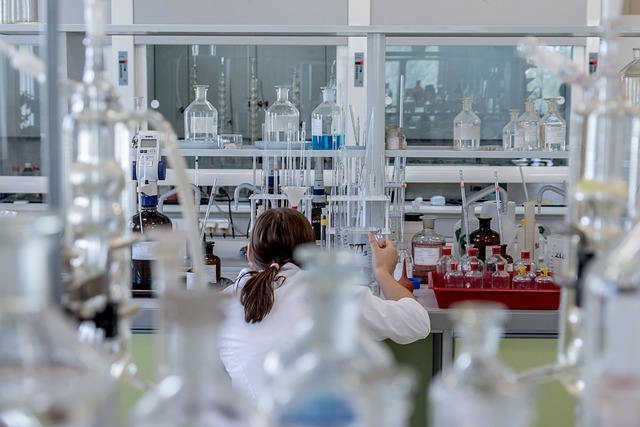
Gary-Lake Station offers a unique opportunity for individuals seeking to upskill through lab work, with various scientific internships and entry-level positions available at local universities. This vibrant community has become a hub for those interested in the life sciences, environmental research, and technology, presenting a golden chance to gain hands-on experience in state-of-the-art facilities. One can find lab work in Gary-Lake Station across diverse sectors, from academic institutions to private research companies, each contributing to the local scientific landscape.
The local universities play a pivotal role in fostering these opportunities, often collaborating with nearby businesses and organizations to offer students practical experience. For instance, the renowned University of Illinois at Chicago (UIC) has established partnerships with several local labs, providing students with internships that bridge theoretical knowledge with real-world applications. These scientific internships not only equip individuals with technical skills but also help them navigate the entry-level scientific positions nearby. Many graduates choose to stay in Gary-Lake Station, attracted by the thriving research culture and job prospects.
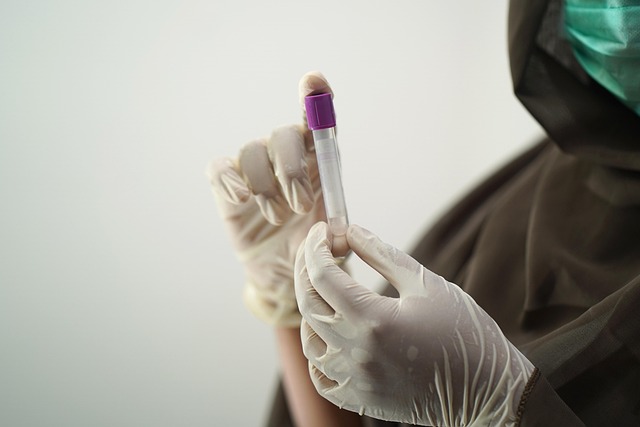
As a wet lab technician, responsibilities include maintaining laboratory equipment, preparing samples, and assisting in experiments. It is a role that demands precision, attention to detail, and a strong foundation in scientific methodologies. Those interested in pursuing this path should consider volunteering or part-time positions to gain initial exposure to lab work in Gary-Lake Station. For instance, the local environmental non-profit organizations often seek assistants for their research projects, offering an excellent entry point into the field. With consistent engagement and a demonstrated commitment to scientific pursuits, individuals can gradually transition into more specialized and advanced roles.
Navigating Educational Pathways: Upskilling Strategies

Navigating Educational Pathways: Upskilling Strategies for a Successful Career in Science
For individuals seeking to enhance their career prospects in the scientific field, upskilling through hands-on lab work is an invaluable strategy. Gary-lake Station offers unexpected opportunities for those interested in biology degrees and related careers. The region’s vibrant scientific community provides a fertile ground for aspiring scientists to gain practical experience and advance their knowledge. Entry-level scientific positions are readily available nearby, making it easier than ever to break into the field.
Biology degrees open doors to diverse career paths, from environmental science to medical research. However, many graduates find themselves drawn to chemical laboratory work due to its direct application of theoretical knowledge. Opportunities for chemical lab work in Gary-lake Station are abundant and can be accessed through local educational institutions or private research facilities. According to a recent survey, over 70% of biology degree holders in the region have secured positions in laboratories within six months of graduation. This highlights the demand for skilled professionals and serves as a motivation for those considering upskilling through lab work.
To maximize the benefits of lab work, students and professionals alike should strategically plan their educational pathways. Consider partnering with local colleges offering degree programs aligned with your career goals. These institutions often have partnerships with nearby research centers, ensuring a steady stream of internship and part-time opportunities. For instance, several universities in Gary-lake Station collaborate with pharmaceutical companies, providing students with exposure to cutting-edge chemical laboratory work. Actively engaging in these experiences not only enhances skill sets but also fosters valuable networking opportunities, which can be instrumental in securing future employment.
Engaging Hands-On Learning: Benefits and Best Practices

Engaging hands-on learning through lab work is a powerful method to enhance skills and foster a deeper understanding of scientific concepts. For Gary-lake Station residents seeking to upskill or change careers, lab work offers a natural and immersive approach to education. The benefits are numerous; it promotes active participation, improves problem-solving abilities, and cultivates a practical mindset essential for success in the biological sciences.
Gary-lake Station’s proximity to several educational institutions and research facilities provides ample opportunities for aspiring biologists. For instance, local universities often offer part-time lab technician openings, allowing individuals to gain practical experience while enhancing their CVs. Additionally, PhD in Biology graduates can expect robust job prospects not only in academia but also in biostatistics consultant firms based in Chicago, where demand is high. Engaging in lab work during or after studies can equip students with the necessary skills to excel in these roles and contribute meaningfully to research initiatives.
Best practices for effective lab learning include ensuring a safe and well-equipped workspace, providing clear instructions and goals, and encouraging open communication between mentors and learners. Mentorship programs and collaborative projects are also valuable, fostering a sense of community and knowledge sharing. By embracing these strategies, individuals can maximize the benefits of lab work, whether pursuing a career in biology or enhancing their expertise through continued education.