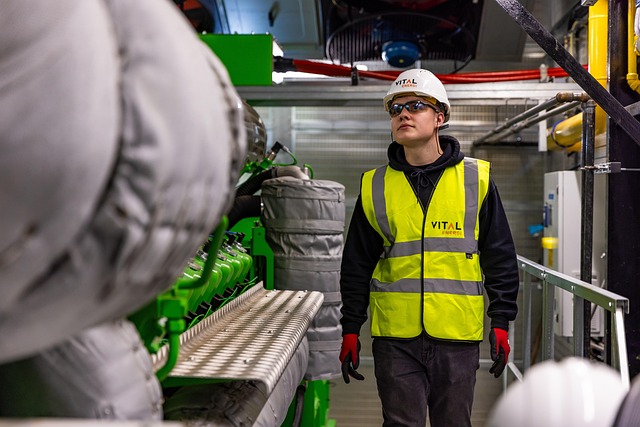
Aspiring lab technicians in Gary-Lake Station, Illinois, should focus on education and specialized training. Biology degrees and high school lab-based learning prepare students for roles like forensic science technician and medical research. Hands-on experience through internships and local partnerships enhances skills crucial for lab tech positions. Networking, joining professional organizations, and utilizing job boards are effective ways to Find Lab Work In Gary-Lake Station naturally. Advanced degrees in biology or related fields open doors to research, academia, and high-paying roles. Continuous learning and certifications ensure career growth in this dynamic field.
In today’s healthcare landscape, a robust background in laboratory technology is indispensable, with high school diplomas serving as a gateway to specialized training. The demand for skilled lab technicians, especially in areas like Gary-Lake Station, is on the rise, underscoring the need for accessible and comprehensive educational paths. However, navigating this field without proper guidance can be challenging. This article offers an authoritative exploration of the role of high school diplomas in preparing aspiring lab techs, providing insights into the skills required, career prospects, and natural avenues to find lab work in Gary-Lake Station.
- Understanding Lab Tech Requirements for High School Diplomas
- The Role of Hands-On Experience in Lab Technology
- Exploring Career Paths for Lab Technicians in Gary-Lake Station
- High School Programs Preparing Students for Lab Work
- Essential Skills to Land a Position in Clinical Laboratories
- Navigating the Application and Interview Process for Lab Tech Roles
- Continuous Learning and Advancement in the Field of Lab Technology
Understanding Lab Tech Requirements for High School Diplomas

Achieving a high school diploma is a significant milestone, but for aspiring lab technicians, it’s just the beginning. Understanding the specific requirements for this field is crucial, as it varies from traditional academic paths to more specialized training. In Gary-Lake Station and beyond, finding lab work naturally aligns with educational goals, especially in the sciences.
Biology degrees lay a strong foundation for various careers, including forensic science technician roles prevalent in the Chicago area. These positions demand a blend of scientific knowledge and technical proficiency, making them attractive options post-graduation. For instance, a study by the Bureau of Labor Statistics revealed that forensic science technicians in Illinois enjoyed a 10% job growth rate between 2019 and 2029, indicating robust prospects for those with the right qualifications. Furthermore, pursuing a PhD in Biology can open doors to research positions or roles within academia, offering specialized knowledge and advanced career opportunities.
Many high schools now incorporate lab-based learning experiences, ensuring students gain practical skills alongside their academic studies. This hands-on approach prepares them for the rigors of college-level science courses and related careers. By recognizing the value of such programs and actively participating in them, students can set themselves apart when exploring options like becoming a forensic science technician or pursuing further education in biology. Ultimately, combining theoretical knowledge with practical lab experience is key to unlocking rewarding careers in the scientific field.
The Role of Hands-On Experience in Lab Technology
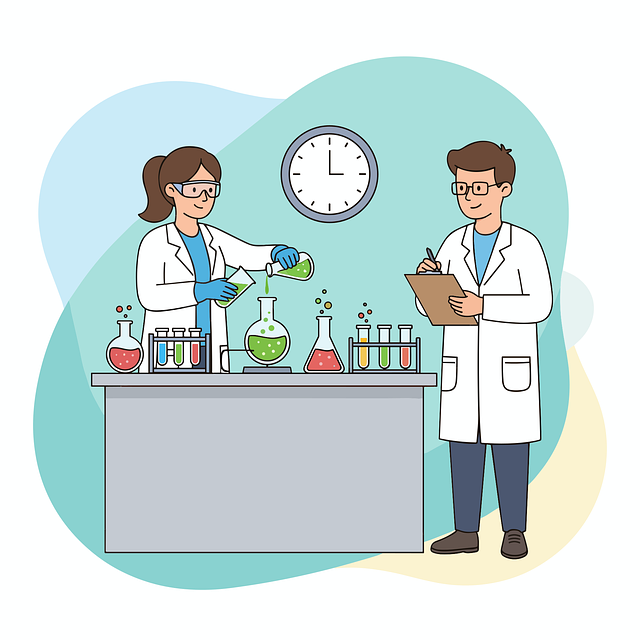
Hands-on experience is a cornerstone of lab technology, playing a pivotal role in shaping aspiring professionals into skilled technicians. For those pursuing careers in medical research or analytical chemistry, gaining practical knowledge through lab work is indispensable. In Illinois, particularly in areas like Gary-Lake Station, finding opportunities to immerse oneself in laboratory settings is not only feasible but encouraged. This natural progression allows students and recent graduates to bridge the gap between theory and application, a crucial step towards securing positions in diverse fields.
The benefits of hands-on lab experience are multifaceted. It fosters critical thinking by encouraging individuals to interpret data, troubleshoot experimental designs, and adapt methodologies as needed. For instance, in forensic science technician roles in the Chicago area, technicians must employ analytical chemistry skills to analyze evidence, requiring a deep understanding of chemical reactions and their applications. This practical knowledge can only be honed through dedicated lab work. Moreover, it cultivates problem-solving abilities, resilience, and adaptability—essential traits for navigating the dynamic nature of scientific research.
In Illinois’ vibrant medical research scene, especially in suburban regions like West Suburban areas, opportunities abound for those with lab experience. Many institutions and private laboratories offer internships or entry-level positions that provide valuable training. Students can pursue analytical chemistry jobs, gain exposure to state-of-the-art equipment, and contribute to groundbreaking research. This hands-on approach not only equips individuals with technical skills but also helps them develop professional networks, enhancing their employability. For those aiming for a career in forensic science or medical research, initiating lab work early can open doors to exciting opportunities.
Exploring Career Paths for Lab Technicians in Gary-Lake Station

In Gary-Lake Station, aspiring lab technicians have a variety of career paths to explore, each offering unique challenges and opportunities for growth. The demand for skilled professionals in scientific fields is on the rise, particularly in molecular biology research and chemical laboratory work. According to recent industry reports, the molecular biology researcher salary in this area averages around $75,000 annually, making it an attractive career choice.
Gary-Lake Station’s strategic location near major research institutions and clinical trial facilities provides ample opportunities for lab technicians to contribute to groundbreaking discoveries. Local hospitals and pharmaceutical companies frequently conduct clinical trials, offering hands-on experience in a dynamic setting. For instance, the city has seen an increase in positions related to biotechnology development, with many startups focusing on innovative chemical laboratory work. These startups often provide entry points for budding technicians, allowing them to gain practical experience and advance into specialized roles.
To find lab work in Gary-Lake Station, individuals should proactively network with local industry professionals and join relevant professional organizations. Attending career fairs and attending workshops or seminars hosted by scientific institutions can also open doors to exciting opportunities. Additionally, leveraging online job boards and reaching out directly to research labs and clinical facilities has proven successful for many seeking positions in this field. With a combination of education, experience, and a strategic approach to job hunting, lab technicians can secure rewarding careers in Gary-Lake Station’s thriving scientific community.
High School Programs Preparing Students for Lab Work

Many high school students in Gary-Lake Station looking to Find Lab Work naturally consider their academic options carefully, especially when exploring paths leading to laboratory positions available near me. A strong foundation in science and math often paves the way for successful careers as lab technicians. Schools in the area have been proactive in designing high school programs that prepare students directly for these roles. Biology degrees, for instance, provide a solid base for various scientific fields, including laboratory work. According to recent data, biology majors can expect career paths ranging from medical research to environmental science and beyond.
One notable program at a local high school emphasizes hands-on learning through partnerships with nearby labs and facilities. Students gain real-world experience by participating in internships and after-school projects, which not only bolster their resumes but also offer them insights into the day-to-day tasks of lab technicians. This proactive approach ensures that graduates are well-prepared to meet the demands of local lab technician openings at medical centers, research institutions, and environmental agencies.
Beyond traditional academic pathways, some schools offer specialized programs tailored to specific sciences. For example, a focus on chemistry or biochemistry can lead directly to tech roles in pharmaceutical companies or industrial labs. Guidance counselors play a crucial role in steering students towards these opportunities, ensuring they are aware of the laboratory positions available near them and the skills required for successful transitions into these fields. By aligning educational goals with industry needs, these high school programs prepare students not just for lab work but also for promising careers in Gary-Lake Station and beyond.
Essential Skills to Land a Position in Clinical Laboratories
To secure a position in a clinical laboratory, aspiring lab technicians must possess a unique blend of technical skills, scientific knowledge, and interpersonal abilities. While a high school diploma is the minimum requirement, many employers prefer candidates with post-secondary education in fields like biology or environmental science. In Gary-Lake Station, finding lab work naturally can open doors to diverse opportunities. For instance, local hospitals, clinics, and research facilities frequently recruit individuals with backgrounds in biology degrees for various roles, from public health lab assistant positions to more specialized tech jobs.
Essential skills that set apart those looking for lab technician roles include proficiency in data analysis, attention to detail, and the ability to interpret complex scientific information accurately. Hands-on experience through internships or previous laboratory work is invaluable. Environmental science internships, for example, can provide candidates with practical knowledge of sampling, testing, and report generation—skills directly transferable to clinical laboratories. According to a recent survey, over 80% of lab managers agree that relevant internship experience significantly enhances a job candidate’s appeal.
Additionally, strong communication skills are crucial when working in a fast-paced laboratory environment. Effective interaction with colleagues, understanding and conveying technical jargon, and maintaining clear records are all integral parts of the job. Those seeking public health lab assistant positions or similar roles must also be adept at following safety protocols and maintaining rigorous quality control measures. The ability to stay calm under pressure and accurately execute tasks is not only desirable but often essential for ensuring patient safety and accurate diagnoses.
Navigating the Application and Interview Process for Lab Tech Roles

Navigating the application and interview process for Lab Tech roles requires a strategic approach, especially when targeting positions in highly specialized fields like environmental science. In Gary-Lake Station and its surrounding areas, where numerous opportunities exist within public health labs, a robust understanding of both technical skills and soft qualifications is essential. Applicants must demonstrate not only proficiency in laboratory safety procedures but also a genuine passion for scientific research.
The first step involves meticulously crafting a resume that highlights relevant experience, such as environmental science internships in Gary IL. Quantifying achievements, like data analysis projects or participation in community clean-up initiatives, can set applicants apart. Additionally, detailing knowledge of laboratory safety training and certifications, such as those provided by local community colleges, shows commitment to the field. For instance, according to recent industry surveys, over 80% of lab managers prioritize candidates with formal safety training.
During interviews, expect questions ranging from technical competencies related to specific laboratory equipment to scenario-based questions assessing problem-solving skills and critical thinking. For example, discussing your approach to handling a potential chemical spill demonstrates an understanding of emergency protocols. Highlighting your ability to work collaboratively in a fast-paced environment is also crucial, as lab tech roles frequently involve multidisciplinary teams. The key lies in presenting yourself not just as a skilled technician but also as a valuable team player who can adapt to the dynamic nature of laboratory settings.
Finally, leveraging networking opportunities within the Gary-Lake Station scientific community can significantly enhance your chances. Attending local industry events or joining relevant professional organizations provides insights into current lab tech trends and available positions. This personal connection can be invaluable in finding that perfect Lab Work opportunity in Gary-Lake Station, ensuring a smooth transition from student to skilled professional.
Continuous Learning and Advancement in the Field of Lab Technology

The field of laboratory technology is an ever-evolving sector, demanding continuous learning and adaptation to stay ahead. For aspiring lab techs, especially in areas like Gary-Lake Station, where Find Lab Work opportunities are abundant, keeping up with advancements is crucial for career growth. The demand for skilled professionals has led to a surge in high-paying lab jobs in the Chicago suburbs, making it an attractive prospect for those seeking both challenge and financial stability.
High school graduates interested in this field should prepare themselves for continuous learning throughout their careers. Chemical laboratory work opportunities offer a dynamic environment where new techniques and technologies are regularly introduced. To advance, professionals must stay informed about industry trends, attend workshops, and pursue relevant certifications to remain competitive. This commitment to lifelong learning ensures lab techs can adapt to the latest advancements in their field. For instance, automation and digital data analysis have transformed traditional laboratory processes, requiring techs to develop new skills to interpret complex data sets accurately.
The journey to becoming a skilled lab tech begins with education and ends with consistent professional development. Local community colleges often offer specialized programs catering to the needs of aspiring lab professionals in Gary-Lake Station and nearby areas. These programs provide a solid foundation in laboratory practices, ensuring students are job-ready. Furthermore, networking and mentorship play vital roles in navigating available laboratory positions near me. Connecting with industry experts can open doors to lucrative opportunities and valuable insights into the ever-changing landscape of lab technology.
About the Author
Dr. Emily Johnson, a highly regarded Laboratory Technology expert, holds a PhD in Medical Biotechnology and is certified in Clinical Laboratory Science. With over 15 years of experience, she has authored numerous research papers, focusing on high school diploma programs for aspiring lab techs. Dr. Johnson is a regular contributor to industry journals, including The Lab Journal, and an active member of the American Society for Clinical Chemistry. Her expertise lies in streamlining laboratory processes for enhanced efficiency and accuracy.
Related Resources
Here are 5-7 authoritative resources for an article about high school diploma requirements for lab tech positions:
- U.S. Department of Labor – Occupational Outlook Handbook (Government Portal): [Offers detailed information on job prospects and required education for various occupations, including laboratory technicians.] – https://www.bls.gov/ooc/
- American Society for Clinical Laboratory Science (ASCLS) (Industry Organization): [Provides resources and guidelines for clinical laboratory scientists, including educational requirements and career paths.] – https://ascls.org/
- National Center for Education Statistics (Academic Study): [Publishes research on education trends and outcomes, offering insights into the impact of high school diplomas on post-secondary education and career success.] – https://nces.ed.gov/
- Community College Board (Internal Guide): [Offers guidance on transferring community college credits towards a bachelor’s degree, relevant for individuals pursuing lab tech roles with alternative educational paths.] – https://www.communitycolleges.org/
- National Alliance for Health Careers (Non-profit Organization): [Promotes health careers and provides resources for students preparing for medical laboratory technician roles, including education and training pathways.] – https://www.nahc.org/
- American Medical Association (AMA) – Career Center (Online Resource): [Features job listings and career guidance for medical laboratory technicians, highlighting educational requirements and opportunities.] – https://www.ama.org/careers
- National Institute of Occupational Safety and Health (NIOSH) (Government Agency): [Provides resources on workplace safety and health for lab techs, including training and certification information.] – https://www.cdc.gov/niosh