Looking for laboratory work in and around Gary-Lake Station? Discover a variety of remote positions, from research assistant jobs in West Chicago to lab technician openings at local facilities. This comprehensive guide explores clinical trial opportunities and provides tips on how to secure one of these rewarding roles.
Introduction: Unlocking Remote Lab Work in Gary-Lake Station
In today’s digital age, finding laboratory work doesn’t necessarily mean being tied to a physical location. Find Lab Work In Gary-lake Station now offers exciting remote opportunities for those with the right skills and qualifications. Whether you’re based in Gary-Lake Station or its surrounding areas, there are numerous ways to get involved in research and clinical trials without leaving your home. This article delves into the diverse range of lab work available, offering insights for aspiring researchers and technicians seeking flexibility and meaningful contributions to scientific advancement.
Understanding Remote Lab Work Options
The Rise of Remote Laboratory Positions
The concept of remote work has gained significant traction across industries, including science and research. Advances in technology have made it possible for scientists, technicians, and research assistants to collaborate and conduct experiments from various locations. This shift has opened doors for individuals who prefer a flexible schedule or live in areas with limited job opportunities.
Benefits of Remote Lab Work
- Geographic Flexibility: You can work from home, a co-working space, or even while traveling, expanding your options beyond local job markets.
- Increased Accessibility: People with disabilities or those living in remote areas can now access lab positions that might have been previously out of reach.
- Cost Savings: Remote work eliminates commuting costs and time, allowing for better work-life balance.
- Global Collaboration: Research teams can assemble from around the world, fostering diverse perspectives and expertise.
Exploring Lab Work Opportunities in Gary-Lake Station and Beyond
Local Facilities and Clinical Trials
Gary-Lake Station and its surrounding regions host several research facilities and clinical trial sites eager to recruit qualified professionals. These opportunities often require on-site participation but also may include remote components, especially for data analysis and documentation.
Where to Look:
- University Research Labs: Many universities in the area have state-of-the-art labs conducting cutting-edge research. Check their websites or contact departments relevant to your field of interest.
- Hospital and Clinic Trials: Local hospitals and clinics frequently conduct clinical trials, offering roles for research assistants, nurses, and technicians.
- Private Research Firms: Private companies specializing in pharmacology, biotechnology, and medical device testing are common employers for lab positions.
Remote Laboratory Roles in Diverse Fields
The scope of remote lab work is vast, encompassing various disciplines:
1. Research Assistant (RA) Positions
RAs play a crucial role in research projects, assisting senior scientists with experimental design, data collection, and analysis. Many RA positions can be performed remotely, especially those focused on literature reviews, data input, and report writing.
2. Lab Technician Openings
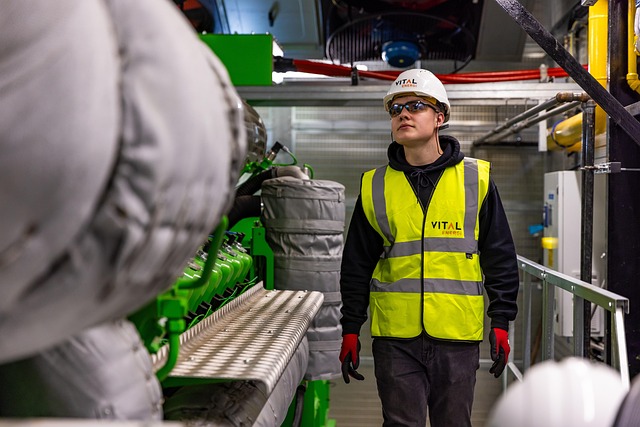
Technicians are responsible for the day-to-day operations of a lab, including equipment maintenance, sample preparation, and quality control. Some technician roles can be remote, particularly in fields like chemistry, biology, or material science.
3. Data Analysis and Interpretation
With the explosion of data generated in research, there’s a growing demand for professionals skilled in data analysis and interpretation. These roles often involve working with large datasets, using specialized software, and contributing to scientific publications. Many data-focused positions can be performed remotely.
4. Scientific Writing and Communication
Effective communication is vital in science. Remote opportunities exist for scientific writers and communicators who can create clear, concise reports, articles, and presentations. These roles are ideal for those with strong writing skills and an understanding of scientific concepts.
Navigating the Job Search Process
Tips for Securing Remote Lab Work:
- Network: Build connections within the scientific community by attending conferences, webinars, or local meetups. Networking can lead to valuable insights and referrals.
- Online Platforms: Explore job boards dedicated to research and science, such as ResearchGate Jobs, Science Magazine’s Job Board, or LinkedIn’s research-focused groups.
- University Career Services: Many universities offer career services for alumni and current students, providing access to exclusive job listings and resources.
- Social Media: Utilize platforms like Twitter and LinkedIn to follow research institutions and companies in your field of interest. They often post job openings and project updates.
- Build a Strong Portfolio: Showcase your skills and experience through a portfolio or online presence, making it easier for potential employers to assess your capabilities.
Preparing for Interviews and Onboarding:
- Research the Company/Institution: Understand their mission, ongoing projects, and culture before the interview.
- Highlight Relevant Experience: Tailor your resume and cover letter to each application, emphasizing skills and accomplishments related to the specific role.
- Be Prepared for Technical Questions: Brush up on technical aspects of your field, especially if the position involves data analysis or experimental design.
- Discuss Remote Work Arrangements: During the interview, clarify expectations regarding remote work, schedule, and communication protocols.
- Onboarding and Training: Be prepared to complete any necessary training or orientation programs remotely, ensuring a smooth transition into your new role.
Frequently Asked Questions (FAQs)
1. How do I know which lab positions are right for me?
The best way to determine suitable roles is by evaluating your skills, education, and interests. Consider what aspects of laboratory work you enjoy and where your expertise lies. Review job descriptions carefully to match your qualifications.
2. Can I transition from a local lab position to remote work?
Absolutely! Many organizations offer flexible work arrangements, allowing employees to gradually shift to remote work or even combine on-site and remote duties. Discuss your preferences with your supervisor or HR department.
3. What technical skills are essential for remote lab work?
Proficiency in data analysis software (e.g., SPSS, R, Python), cloud computing platforms, and communication tools is often required. Familiarity with laboratory information management systems (LIMS) can also be advantageous.
4. How do I stay updated on the latest clinical trials and research opportunities?
Sign up for newsletters from research institutions, clinical trial databases (e.g., ClinicalTrials.gov), and professional organizations in your field of interest. These sources will keep you informed about new projects and hiring needs.
5. What are the challenges of remote lab work, and how can I overcome them?
Remote work requires excellent self-management, strong communication skills, and reliable technology. Overcome challenges by establishing a dedicated workspace, setting clear goals, staying connected with colleagues through virtual meetings, and ensuring regular check-ins with supervisors.
Conclusion: Embracing Remote Lab Work Opportunities
Find Lab Work In Gary-lake Station is more accessible than ever before thanks to the rise of remote work. The diverse range of opportunities available showcases the flexibility and inclusivity gained from digital connectivity in science and research. By leveraging online resources, networking, and a tailored approach to job searching, individuals can secure rewarding lab positions that align with their skills and interests. Whether you’re a seasoned researcher or a newcomer to the field, remote lab work offers exciting prospects for personal and professional growth.